"The same oven,
five generations later."
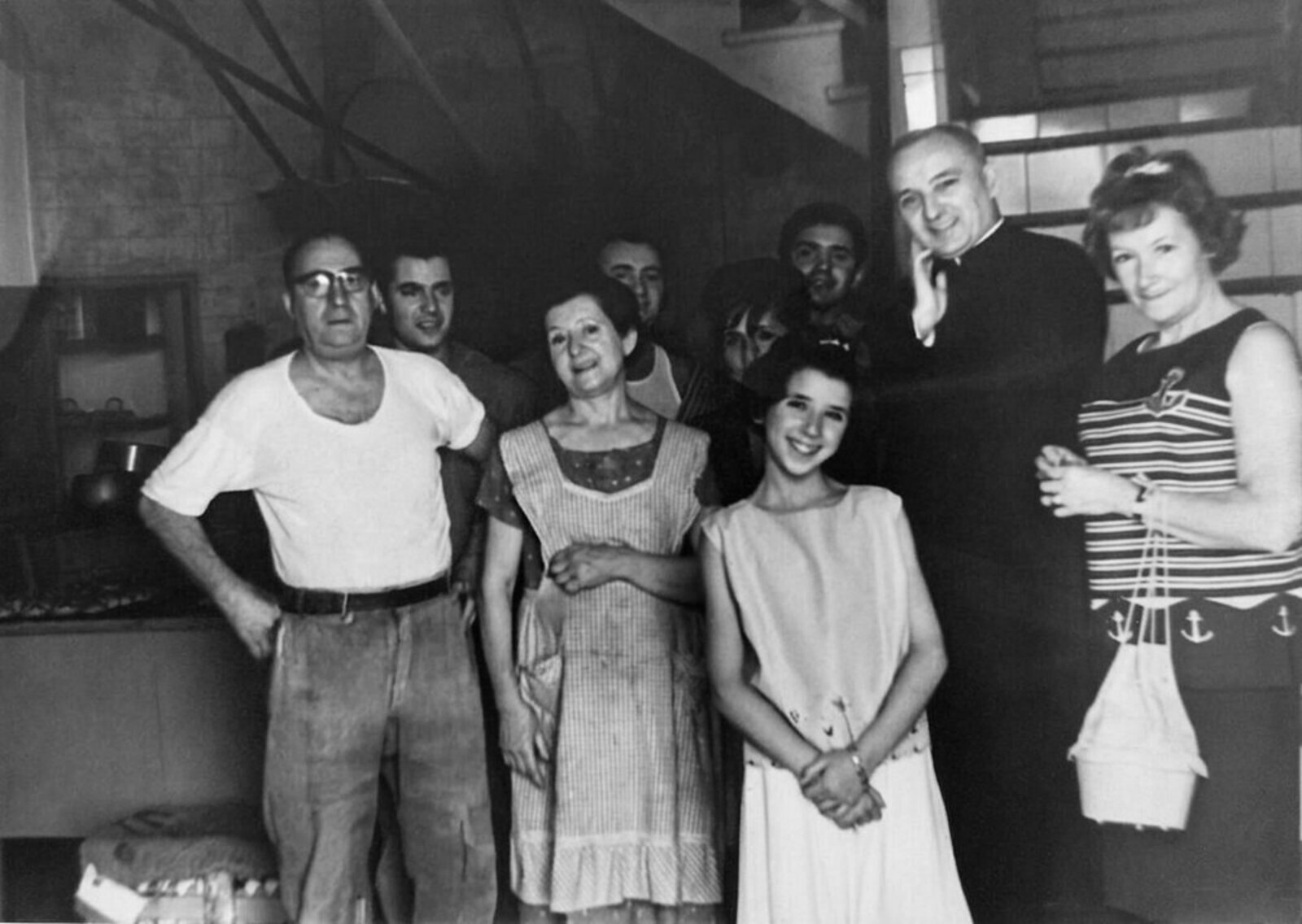
Four generations.
And one on the way.
Each one has put in their hands, their recipes, their hours. But the oven has always been the same.
Where it all begins
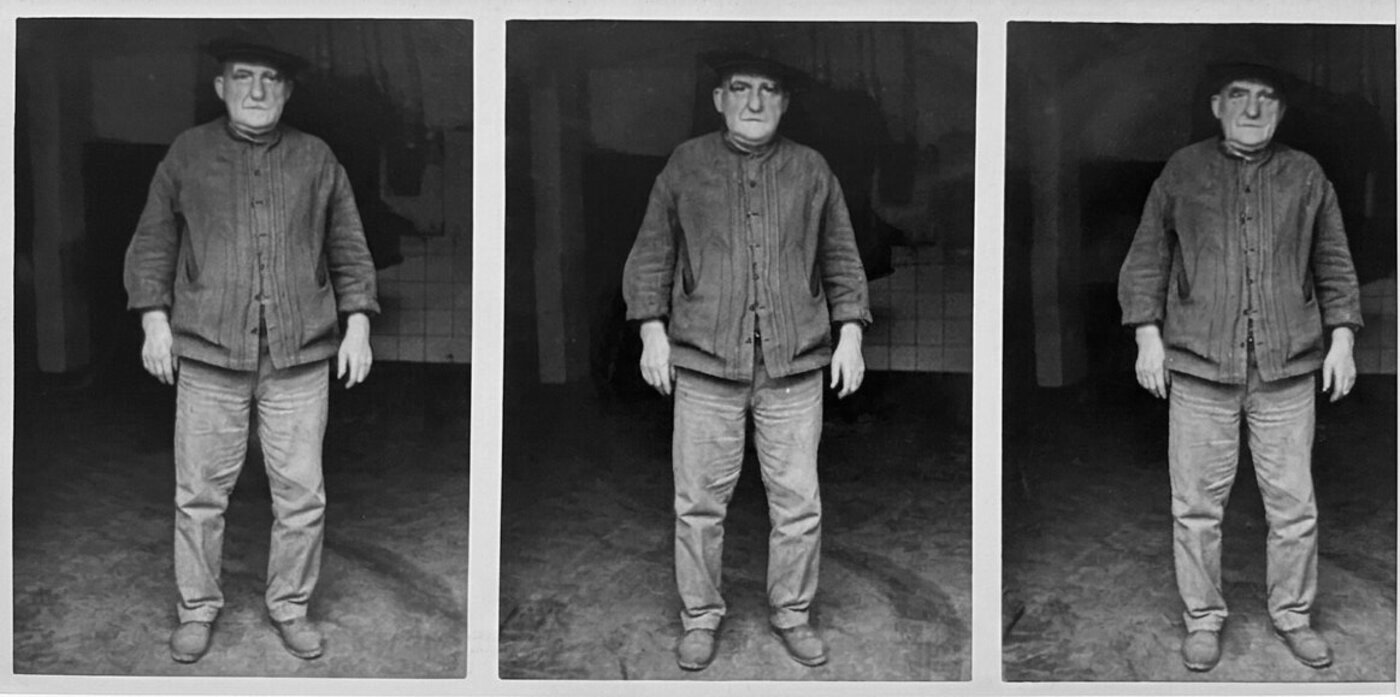
Guiem Pons arrived in Ciutadella from Mallorca in the late 19th century. He had come to work on the construction of the Cavalleria Lighthouse.
Here he met Catalina Truyol, born and raised in Ciutadella. He never went back to Mallorca.
In 1900, together, they opened a small wood-fired bakery on Carrer de Curniola. Guiem kneaded and baked in the basement; Catalina opened the door, served the customers, knew the neighbours by name.
Back then, houses had no ovens of their own: women would bring their dishes from home to bake them here. The bakery was as much a neighbourhood meeting point as it was a business — largely thanks to Catalina's hands and voice.
Joan and Nieves
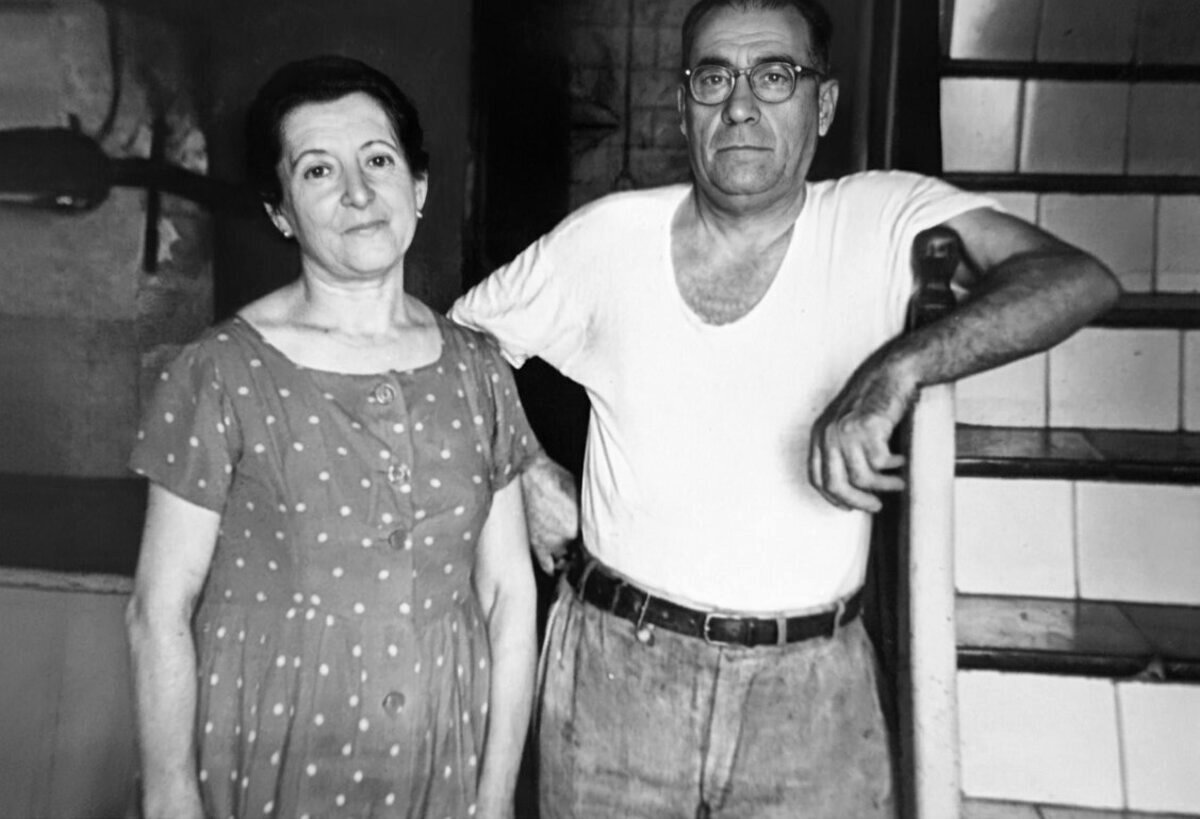
Joan Pons Truyol and Nieves Fraga took over the Forn.
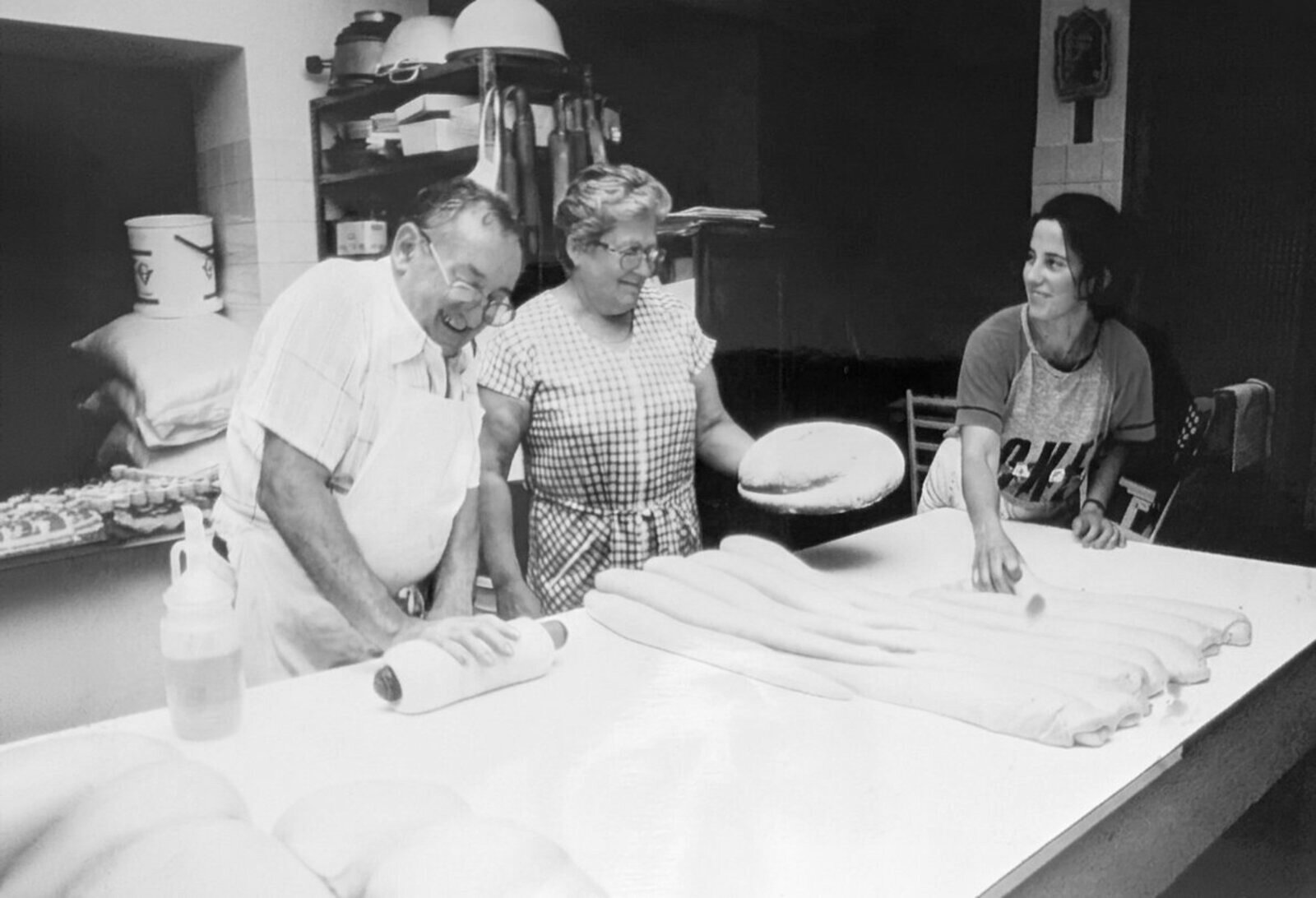
Joan, son of Guiem and Catalina, had grown up among sacks of flour and the smell of baking bread. For him, it was never a choice: it was simply what he knew, and what he wanted to do. Nieves stood by his side throughout it all.
Under their hands, the Forn remained the same neighbourhood gathering point it had always been.
The pâtisserie
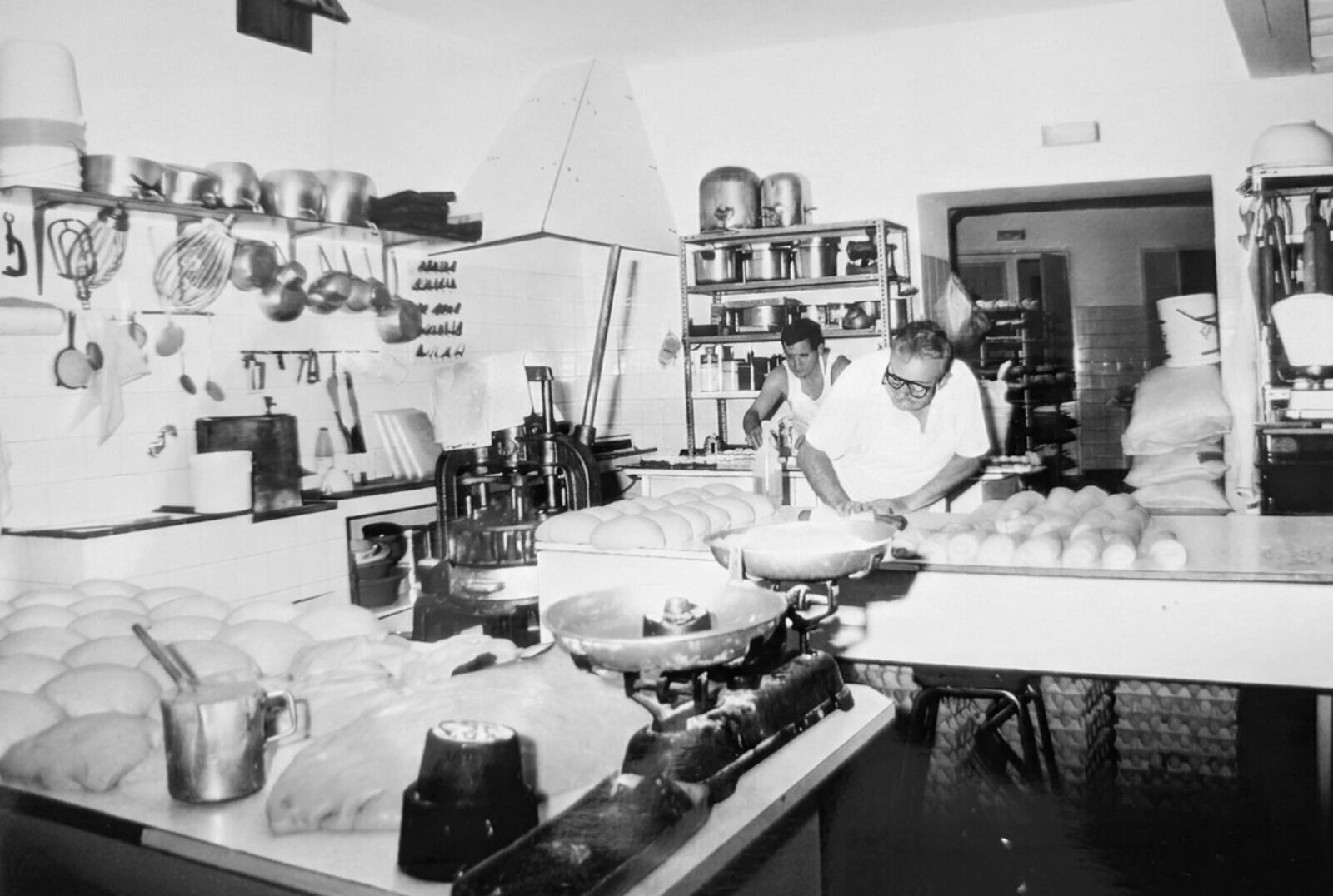
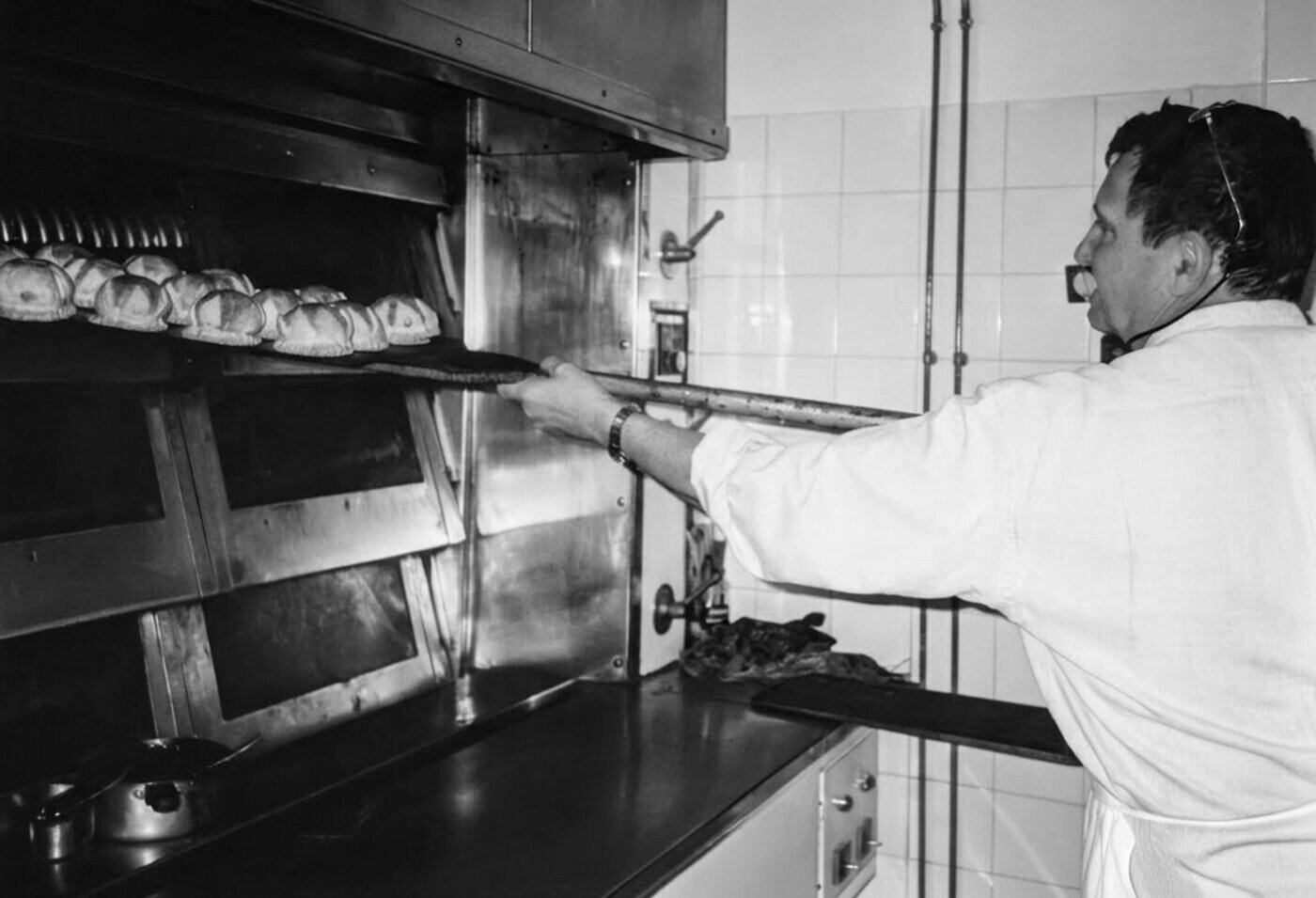
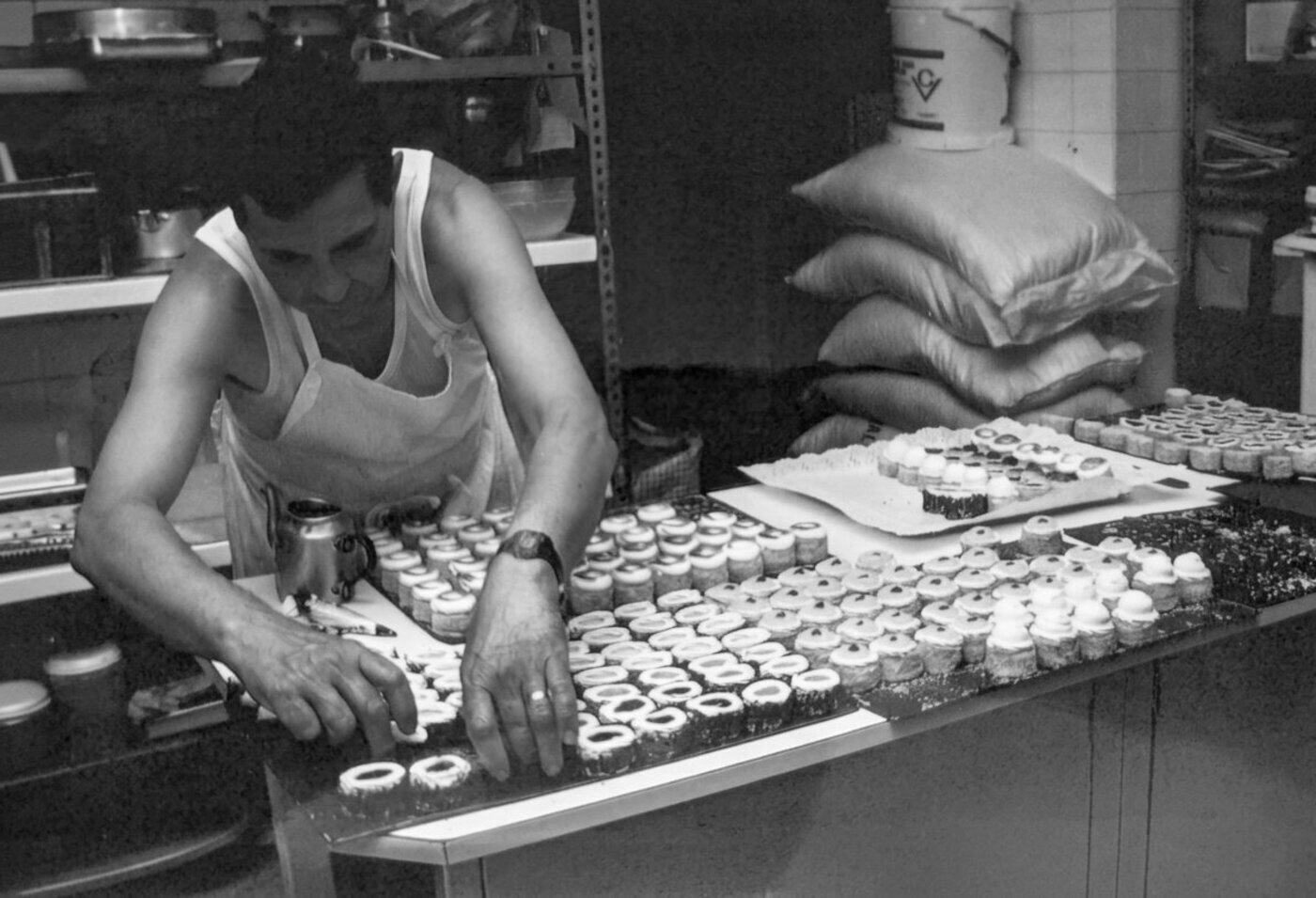
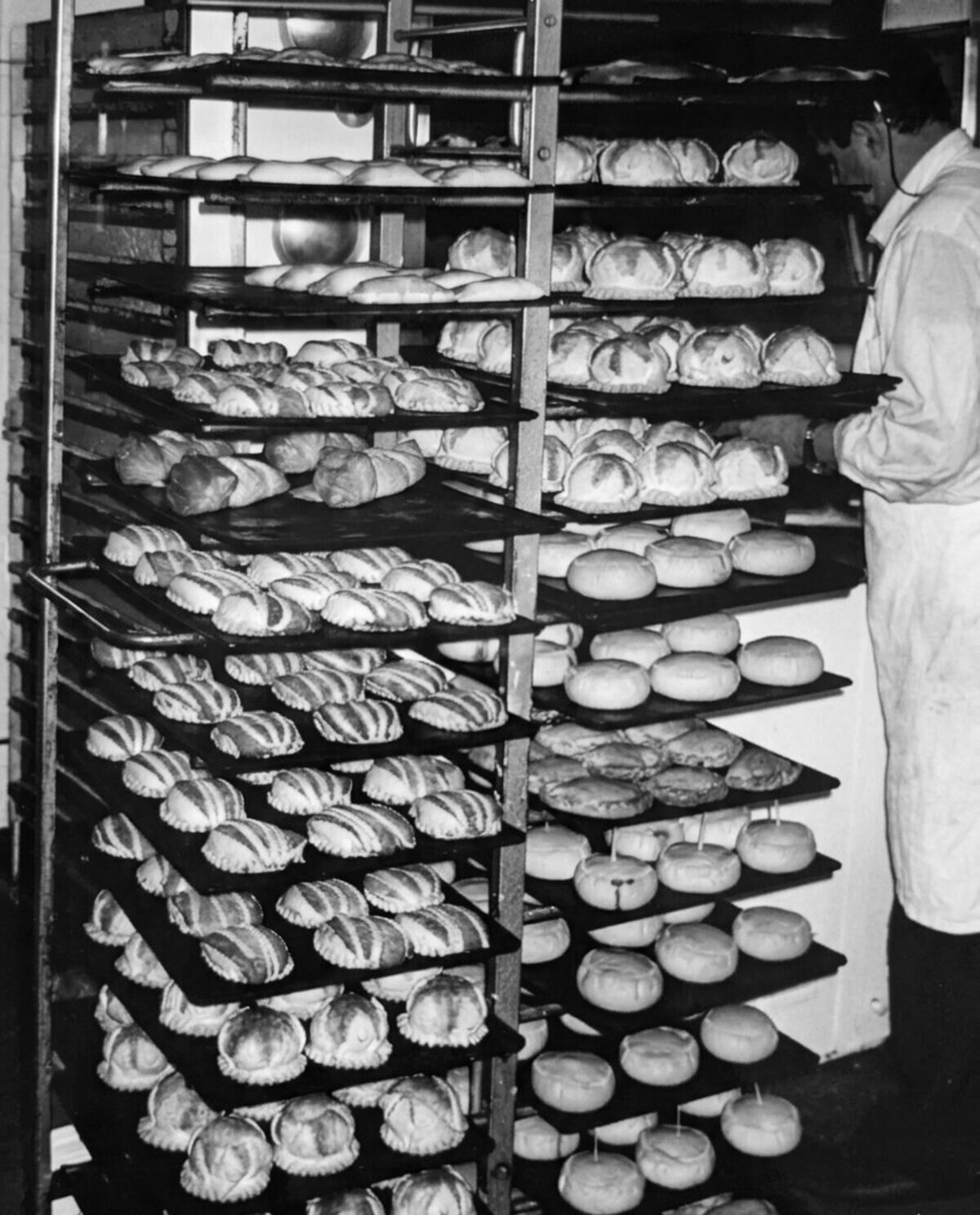
Guiem Pons Fraga, grandson of the founder, and Maria Seguí Moll take over and turn the bread bakery into a pâtisserie specialising in traditional Menorcan baking.
His brother, Joan Pons Fraga, worked there too — another pair of hands for a growing business.
Guiem leaves the business for a few months and travels to Mallorca to learn the pâtissier's craft. He returns with new techniques, but the idea remains the same: do things as they have always been done — only better.
Fourth generation
Neus Pons Seguí leads the Forn today, together with her sister, Maria Antònia Pons Seguí.
Beside them, their nephew Marc Coll Pons is learning the trade, day by day.
The same oven. The same street. Many of the same recipes the grandfather and great-grandmother used to bake.
The fifth generation, already on its way.
Sa boval
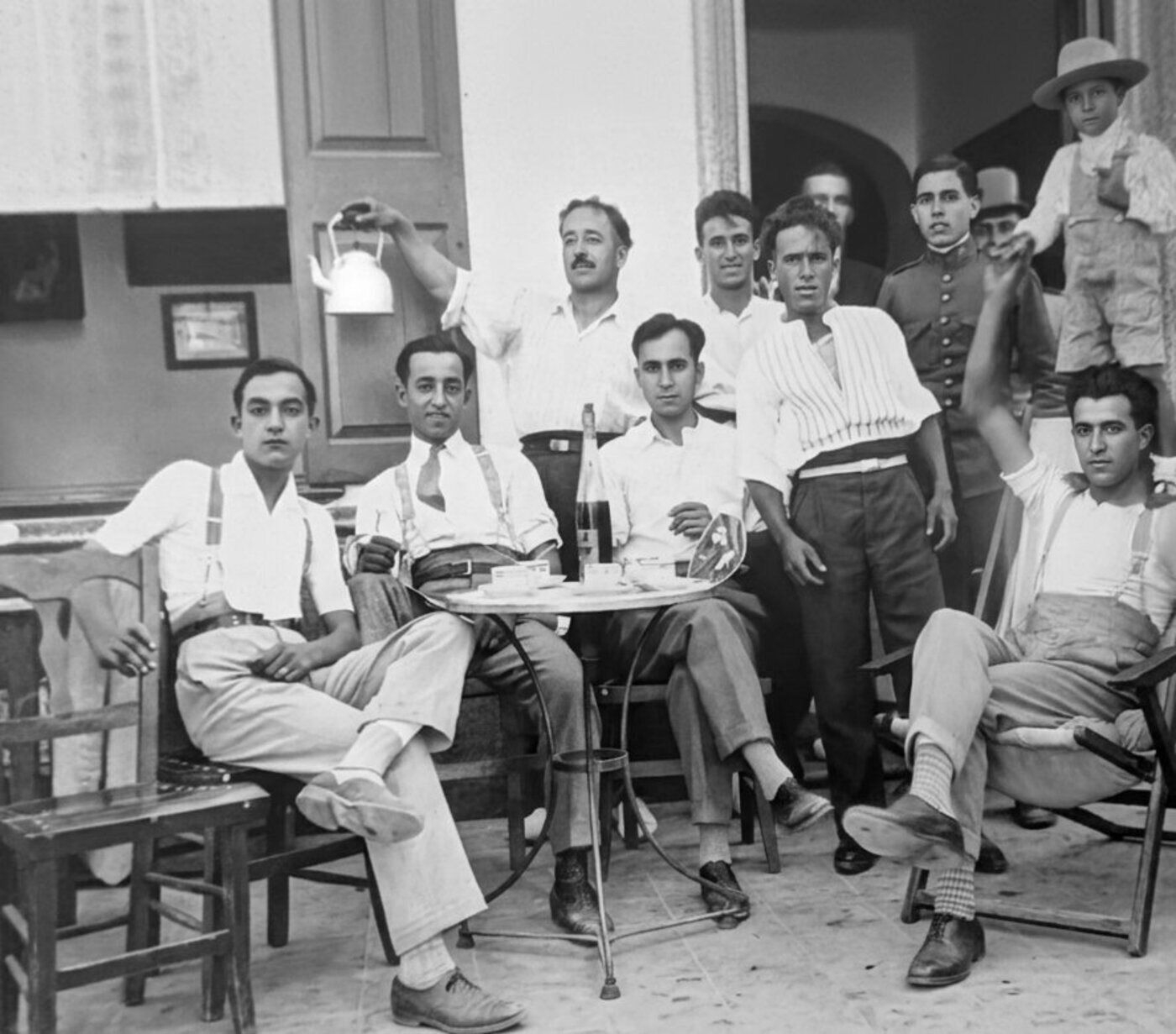
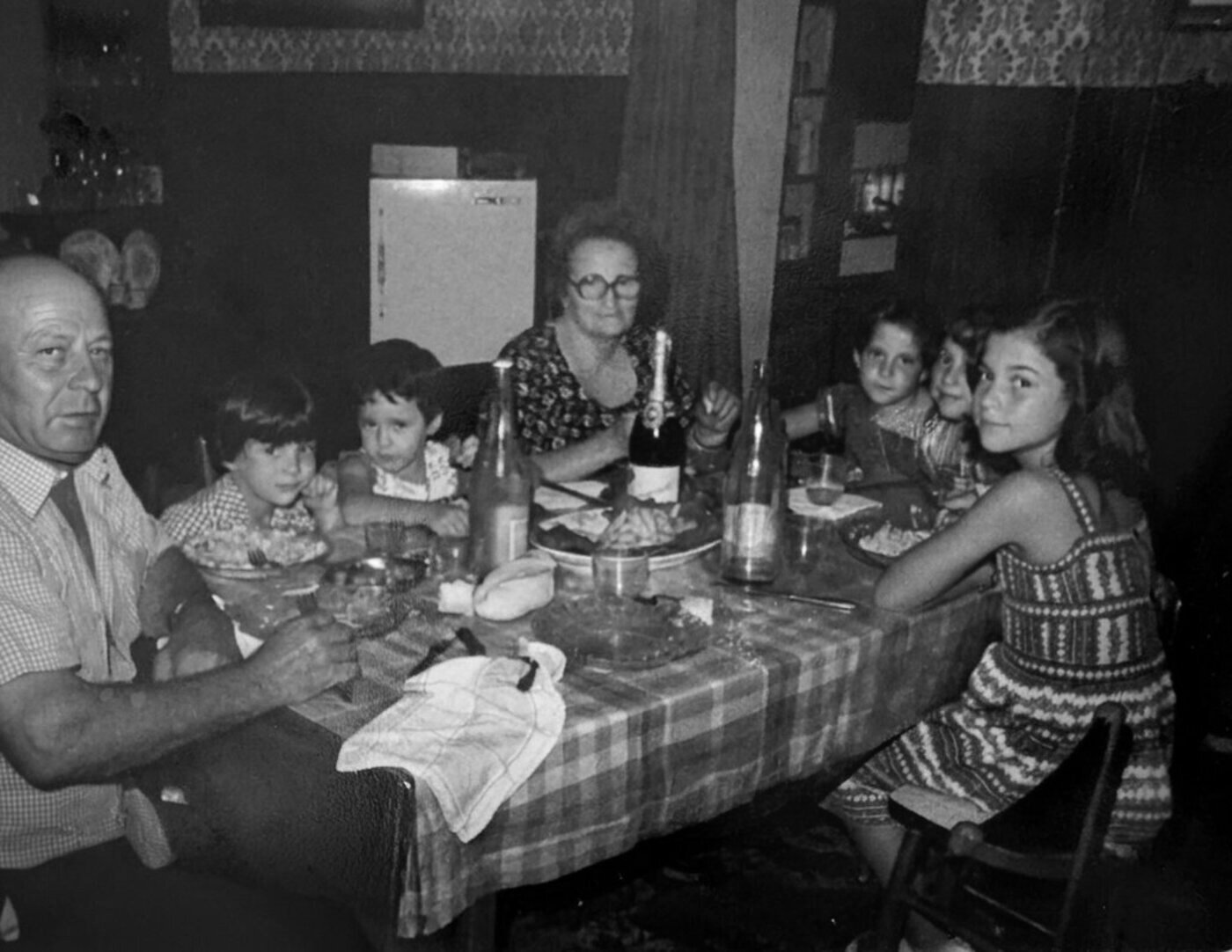
Above the oven was the flat where the family has always lived. In the kitchen, right above the oven, neighbours used to gather to spend the long, cold winter afternoons together.
They called it sa boval.
A boval, in old Balearic, was the small vaulted chamber located right above the bread oven. Today it's a word that's almost fallen out of use — preserved only in a few places, and in our house we still call it that.
Curiously, country houses had a sibling concept: es boual, the stable where oxen and cows were kept. It was the warmest spot in the house, as the animals' body heat naturally warmed the rooms above. Two almost identical names, two different solutions to the same problem — warming the kitchen in winter.
In our house, sa boval was where the oven sent its heat up to the kitchen above, every morning. And so, for decades, neighbours would come up to share their stories — many of them from the war — around a fire that never went out.
We didn't choose the name.
The neighbours did.
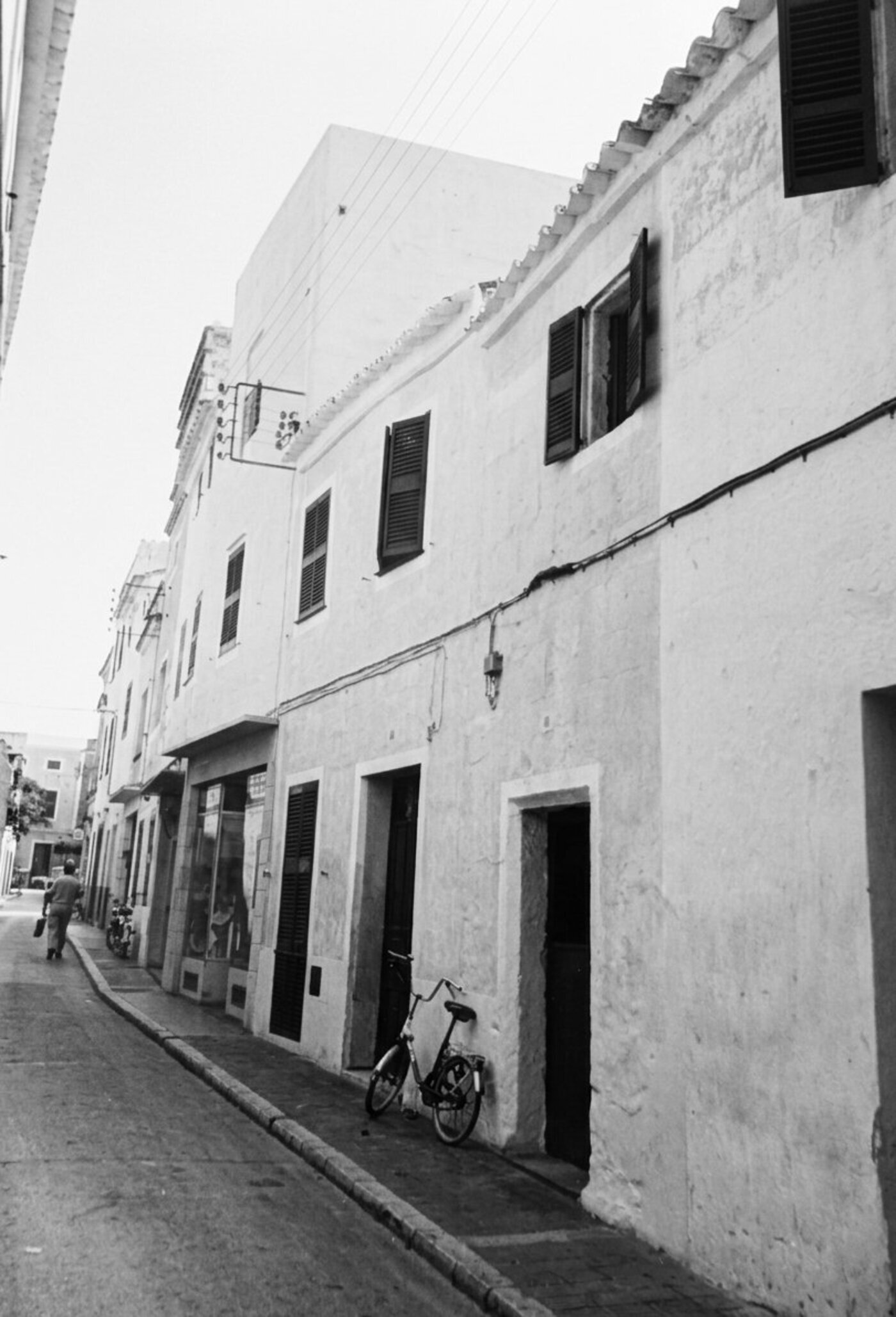
Carrer de Curniola takes its name from a medieval manor: the lords of the tanques de Curniola, near the path to Cala Morell.
When the bakery first opened in 1900, it had no official name. People simply said: "I'm going to the Forn on Curniola." And so it stayed.
A hundred and twenty-five years on, we still carry the name our neighbourhood gave us.
Small memories of the Forn
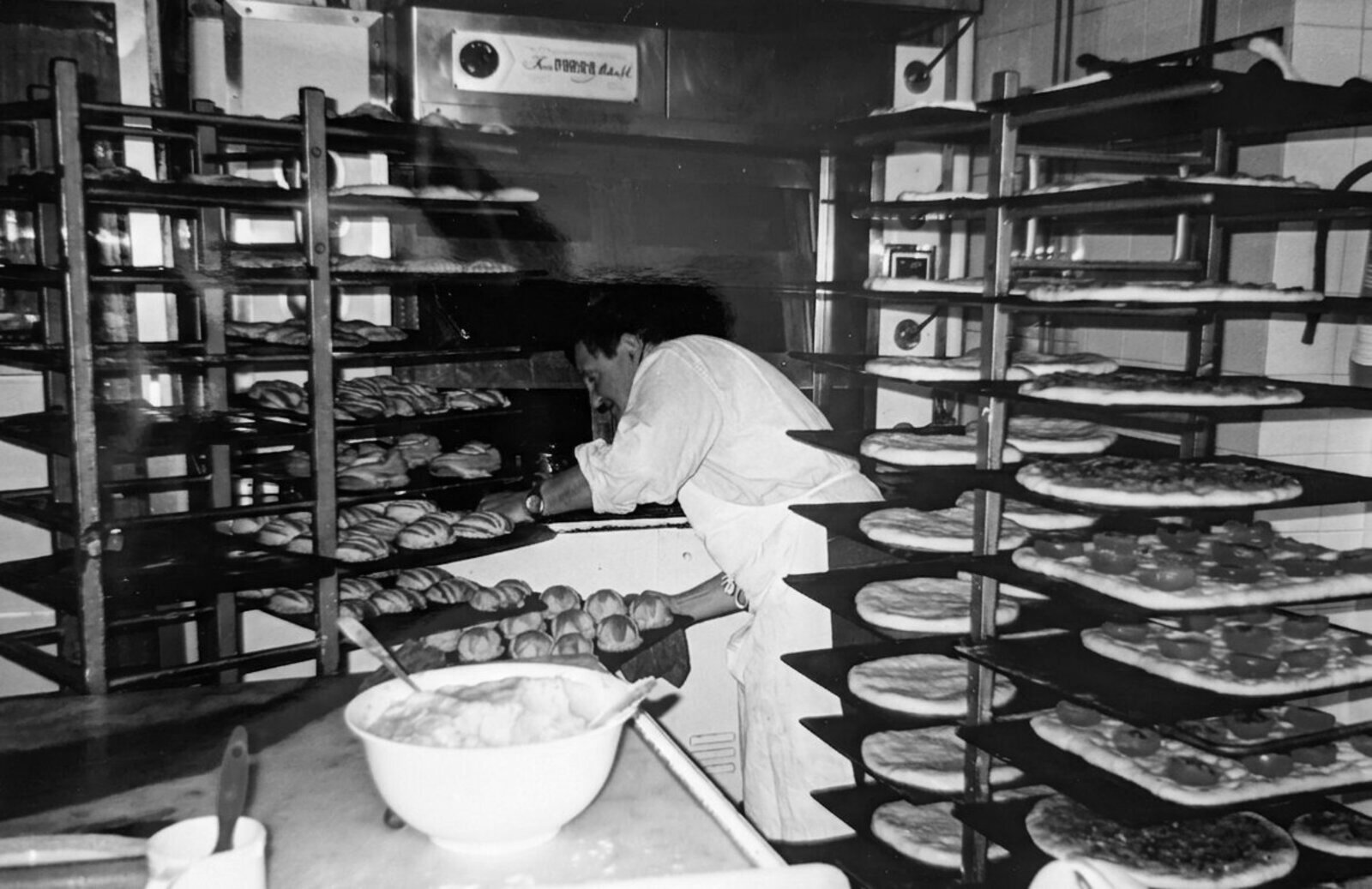
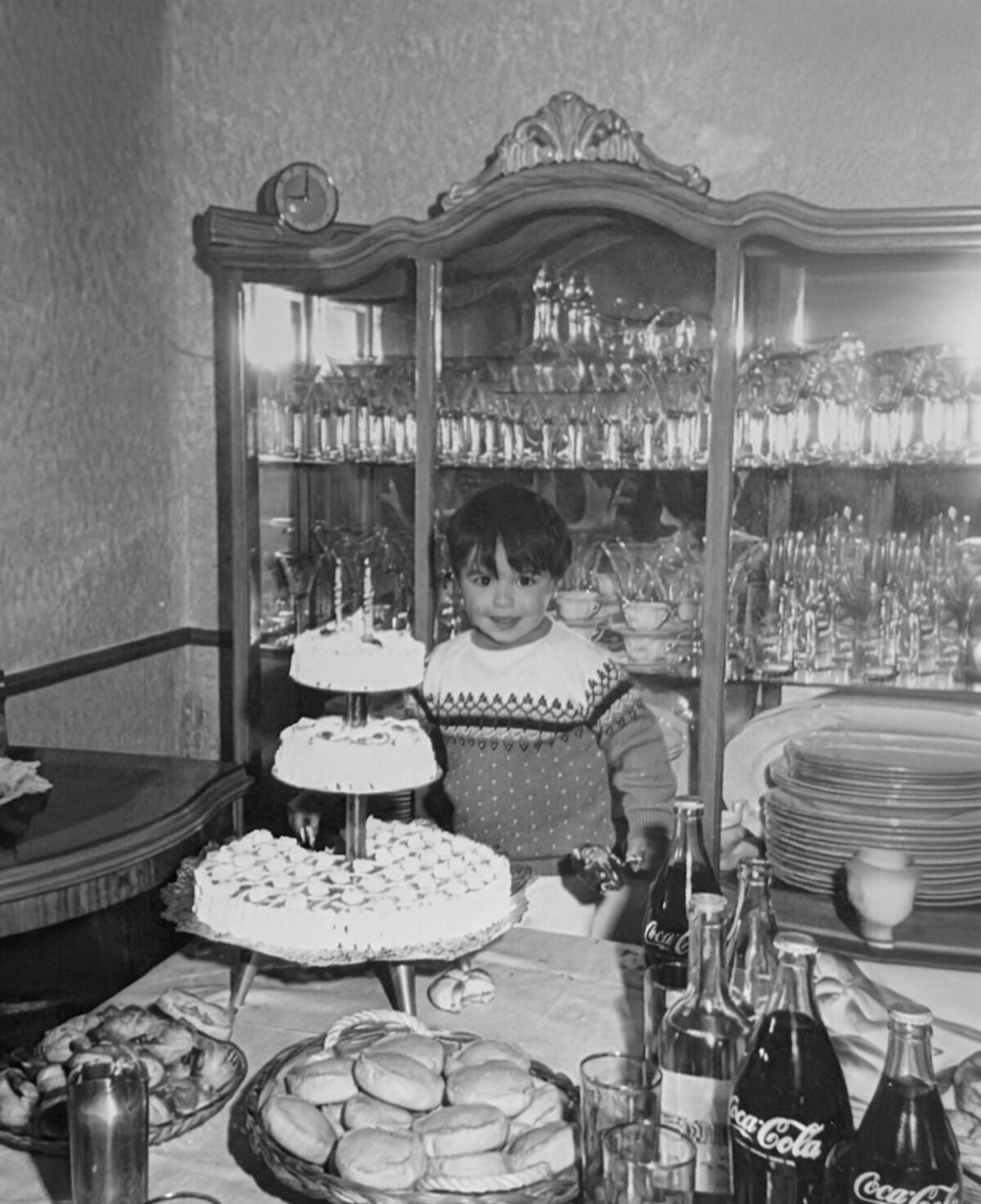
Moments from a long story: the full trays, the neighbourhood visits, the family celebrations.
Come and meet us.
The Forn is here, as it always has been. The door is open every morning.